 0
0
 0
0
On a warm spring morning in Vienna, the kind that used to feel like a gentle invitation to linger outdoors, Anna Leitner steps onto her balcony and pauses. The air is already heavy, warmer than it should be. She remembers her childhood—March meant jackets, chilly fingers, and the first shy blossoms. Now, it feels like early June. “It’s subtle,” she says, “but every year, the seasons feel a little less like themselves.”
Anna isn’t a scientist. She’s a schoolteacher, a mother, a person who simply pays attention. And like millions of others around the world, she is living through the slow, steady transformation of daily life brought on by climate change.
A Global Shift Felt in Ordinary Moments
Climate change rarely announces itself with drama. More often, it slips into the background of everyday routines:
- The grocery bill creeping upward because droughts have shrunk harvests.
- The summer heatwaves that turn cities into ovens.
- The insurance premiums rising in flood‑prone regions.
- The pollen seasons that stretch longer, triggering allergies in people who never had them before.
These aren’t abstract trends. They are the new texture of life.
Heat: The Silent Disruptor
In southern Europe, heatwaves have become so intense that outdoor work is restricted during peak hours. In Austria, hospitals report more heat‑related admissions each summer. For the elderly, the very young, and those with chronic illnesses, extreme heat is not an inconvenience—it’s a threat.
Urban planners now talk about “heat islands,” neighborhoods where concrete traps warmth long after sunset. Trees, once considered decorative, are becoming essential infrastructure.
Water: Too Much, Too Little, Never Predictable
In some regions, rivers are shrinking. In others, they overflow with destructive force. The Danube has seen both extremes in the past decade.
Farmers feel this volatility first. “We used to plan by the calendar,” says Josef, a farmer in Lower Austria. “Now we plan by the sky—and the sky is unpredictable.”
When crops fail, the effects ripple outward: food prices rise, supply chains strain, and communities face economic uncertainty.
Health: The New Frontline
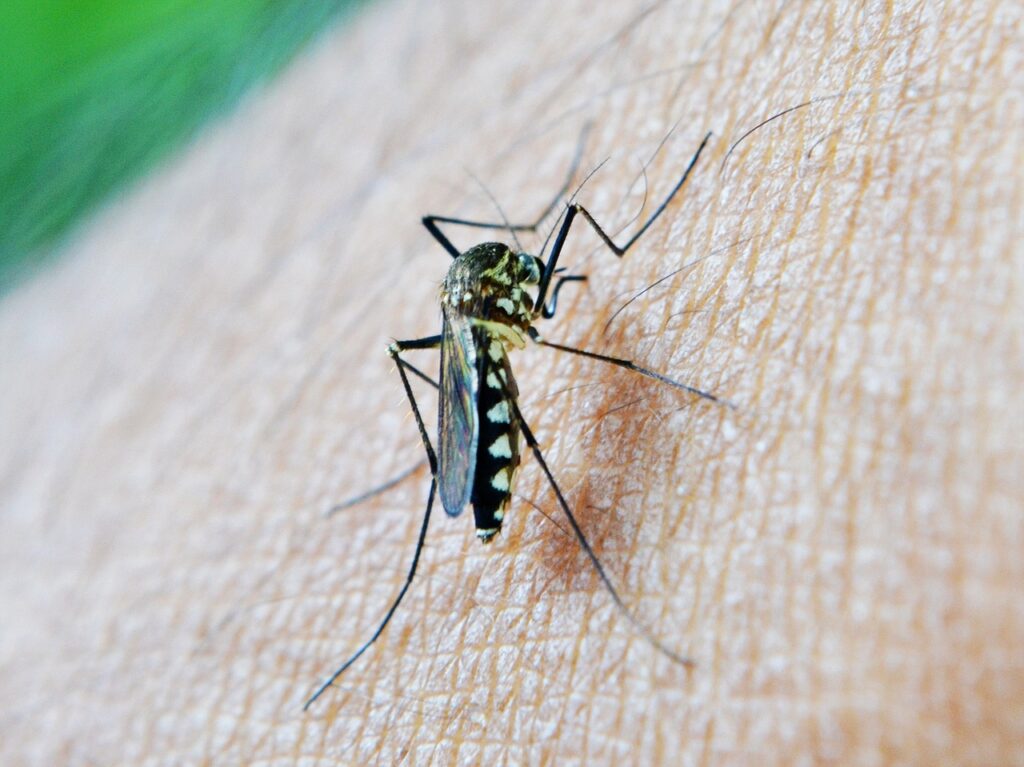
Warmer temperatures allow ticks, mosquitoes, and other disease carriers to expand into regions where they were once unknown. Doctors in Central Europe now diagnose illnesses that were previously considered tropical.
Allergists report that pollen seasons are longer and more intense. For millions, spring has become a season of medication rather than renewal.
Home: A Place Under Pressure
From coastal towns threatened by rising seas to mountain villages facing landslides after heavy rains, the idea of “home” is becoming fragile.
In some parts of the world, entire communities are relocating. In Europe, discussions about “climate migration” are no longer theoretical—they are logistical.
A Question of Adaptation—and Imagination
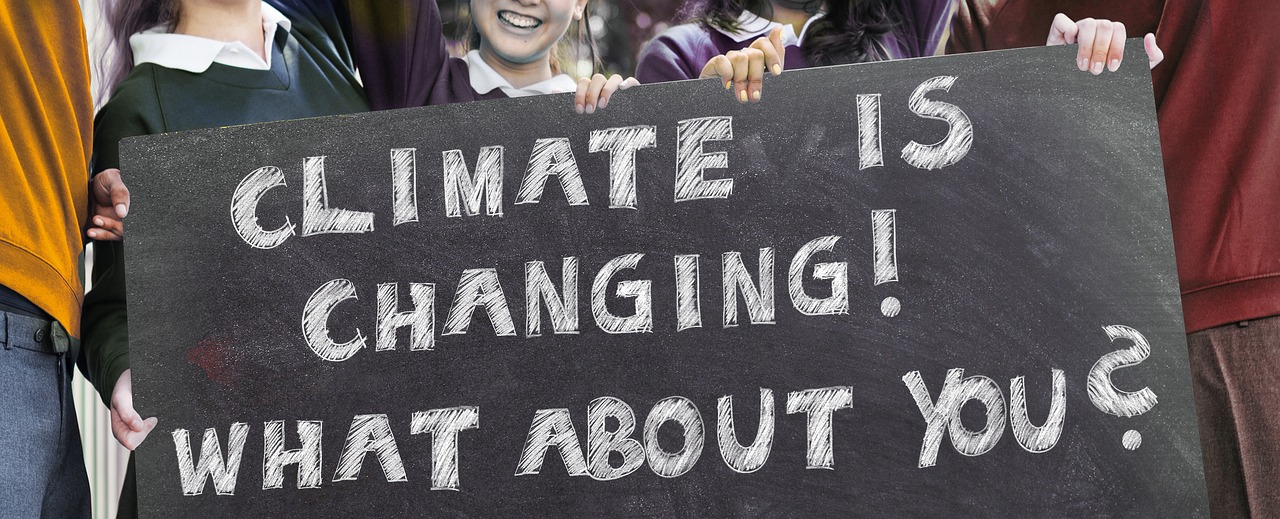
Despite the challenges, people are adapting. Cities are redesigning public spaces to stay cooler. Farmers are experimenting with resilient crops. Schools are teaching children about sustainability not as a distant concept, but as a lived reality.
And yet, adaptation alone won’t be enough. The deeper question is whether societies can imagine a future where climate action is not a burden but an opportunity—an invitation to rethink how we live, work, and care for the planet.
A Future Still in Our Hands
Back on her balcony, Anna waters her plants. She has joined a local climate initiative, not because she believes she can solve the crisis alone, but because doing nothing feels impossible.
“I want my students to grow up in a world that still feels familiar,” she says. “A world where the seasons make sense.”
Climate change is not a distant catastrophe. It is the quiet reshaping of our everyday lives. And while its impacts are profound, so too is our capacity to respond—with urgency, creativity, and a sense of shared responsibility.
- Hector Pascua/picture: pixabay.com


This post has already been read 2718 times!